


SEO: A Beginner-Friendly Guide to Getting Found Online

What Is SEO?
SEO stands for Search Engine Optimization. It helps websites become easier to discover when people use search engines.
Think about searching for “best laptops for students.” You normally scan several results before choosing one. For a website owner, appearing for relevant searches can bring visitors who already have an interest in the topic.
SEO is not simply about placing keywords on a page. It involves understanding what users need, creating useful information, and presenting a website clearly.
Why Is SEO Important?
A website may contain excellent information but receive little attention if people cannot find it. SEO can improve a website’s chances of reaching people who are already searching for related information. Key benefits include:
- More organic visitors
- Better online visibility
- Easier website navigation
- Greater understanding of audience interests
- More opportunities for enquiries and sales
- Long-term value from useful content
SEO usually requires patience. Results depend on competition, website quality, content, and how users search.
How Do Search Engines Work?
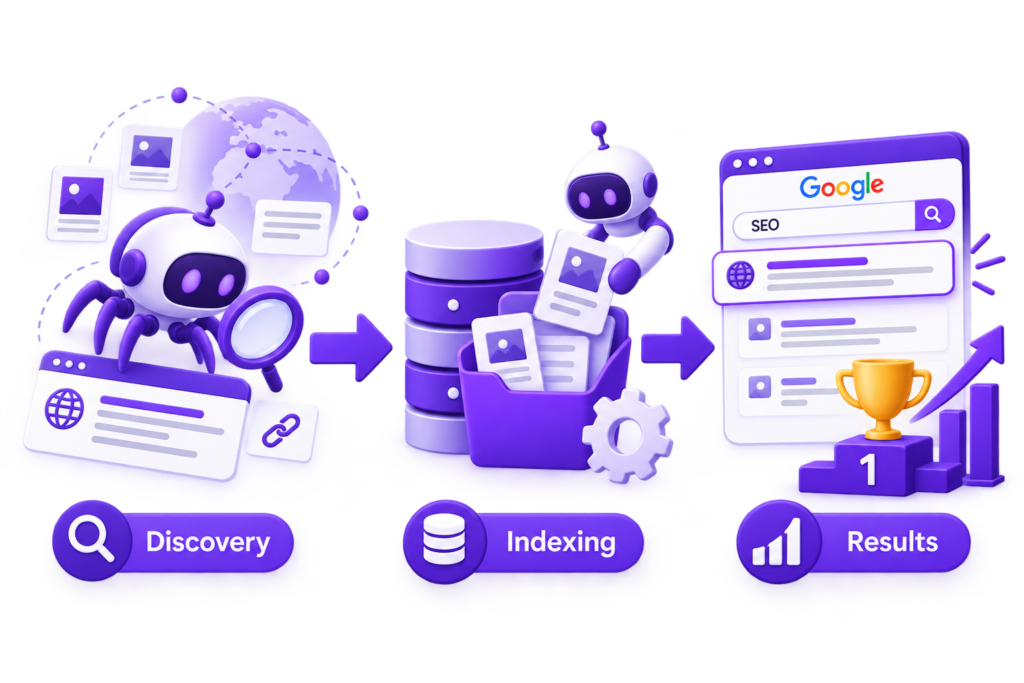
Search engines generally handle webpages through three stages:
- Discovery: Automated systems find new or updated pages, often by following links.
- Indexing: Information from discovered pages may be analyzed and stored.
- Results: When someone searches, the system selects pages that appear relevant to the query.
Understanding this process makes it clear why publishing an article does not guarantee a top position.
Search Intent
Search intent means understanding why someone makes a particular search.
For example, “how to start a blog” suggests that the person wants instructions. “Best blogging platform” suggests comparison, while “buy domain name” shows stronger buying intent.
The content should match that purpose. A person looking for a tutorial needs a useful explanation, not a page filled with sales messages.
Keyword Research
Keyword research means finding topics and phrases connected with what an audience searches for. A simple approach is:
- Choose a subject.
- List questions readers may have.
- Find related search phrases.
- Consider the reason behind each search.
- Select topics your website can explain properly.
Keywords should fit naturally into the writing. Repeating a phrase too often can make an article awkward and difficult to read
On-Page SEO
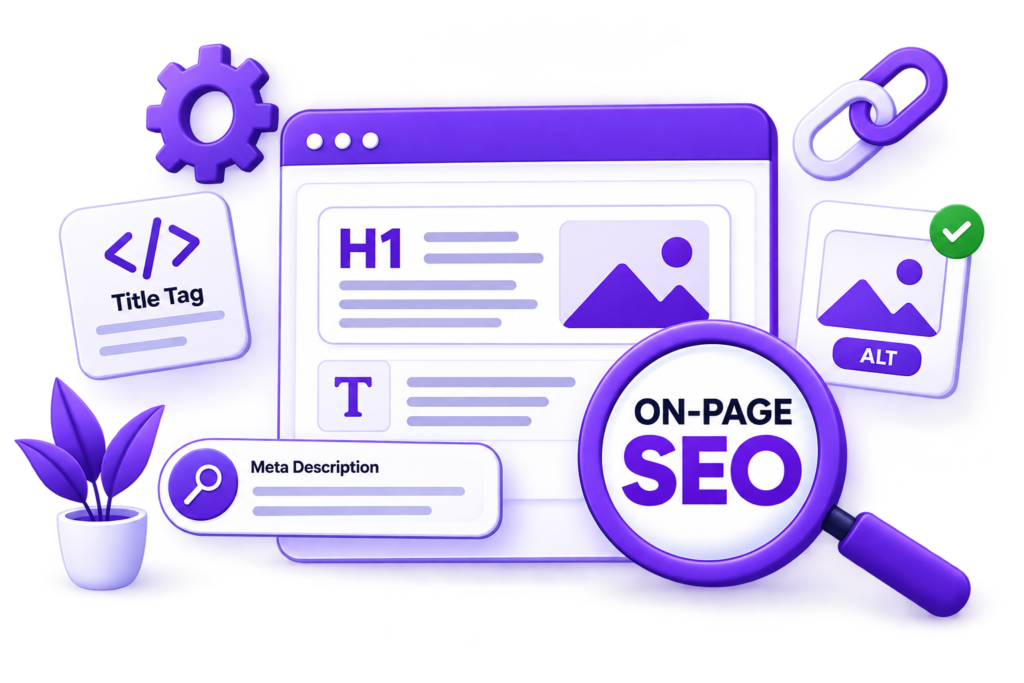
On-page SEO covers improvements made within a webpage. These elements help visitors understand the page and make its information easier to organize. Focus on:
- Clear page titles
- Useful headings
- Readable paragraphs
- Relevant internal links
- Simple URLs
- Descriptive image text
- Original information
A well-structured page lets readers find important information without working through unnecessary blocks of text.
Technical SEO
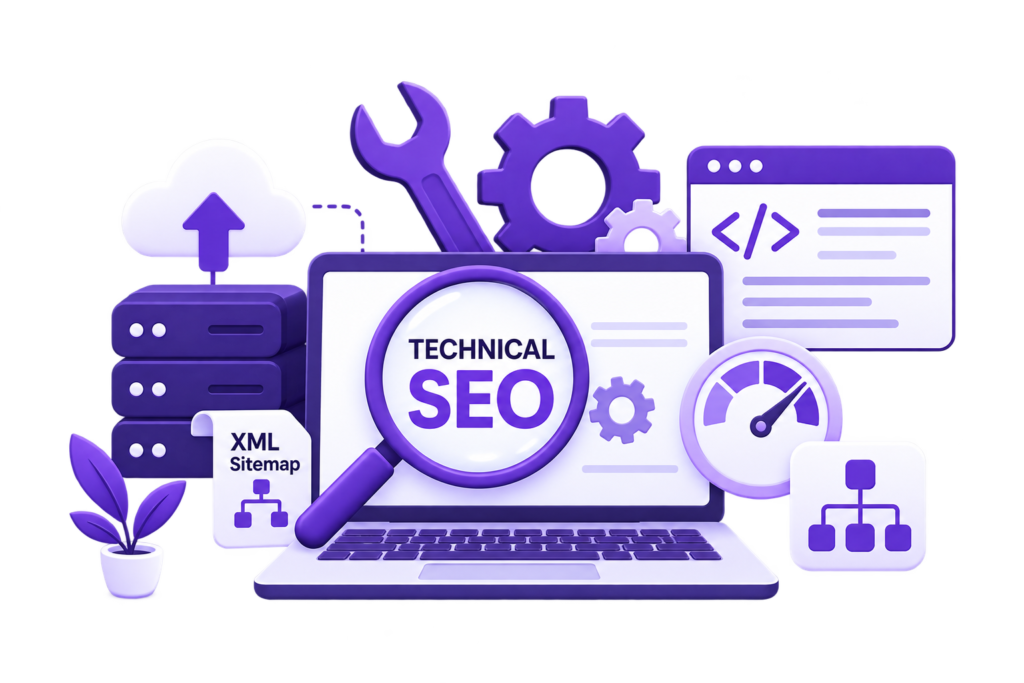
Technical SEO deals with how a website works behind the scenes. A page can have useful information but still face problems if the website is slow, difficult to access, or poorly organized. Important areas include:
- Mobile usability
- Loading performance
- Website security
- Crawl access
- Broken links
- Site structure
- Indexing problems
Beginners do not need advanced coding knowledge to understand these areas. Learning the basics is enough to recognize common issues.
Off-Page SEO
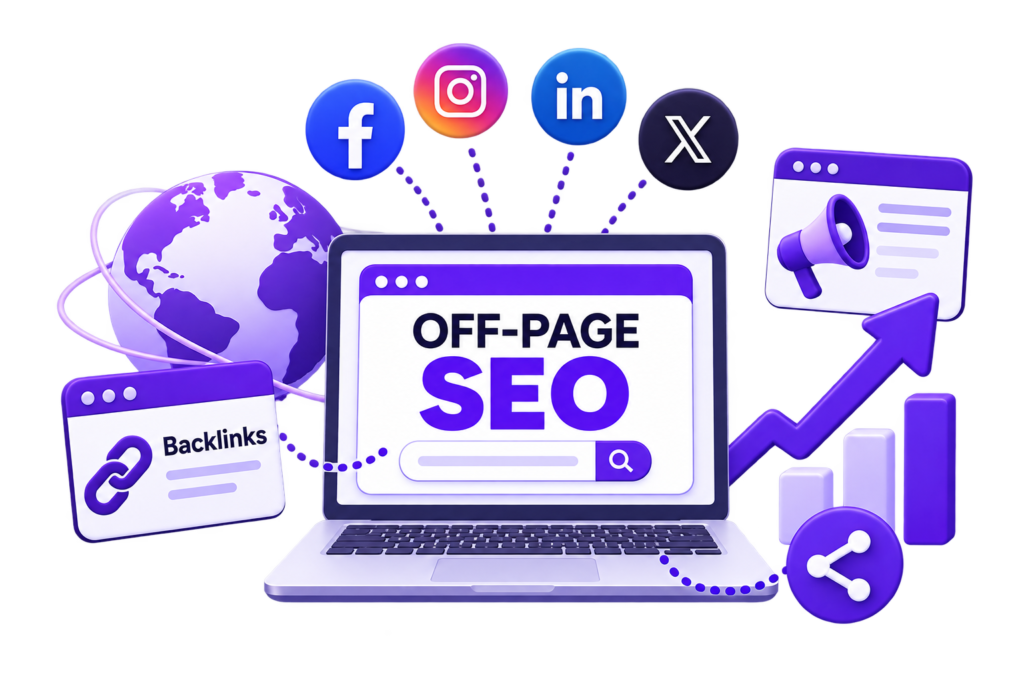
Off-page SEO involves activities outside your website. One example is earning references from other relevant websites.
Instead of chasing large numbers of links, create resources that people have a genuine reason to mention. Original research, useful guides, statistics, and practical tutorials can make a page more reference worthy.
Common SEO Mistakes to Avoid
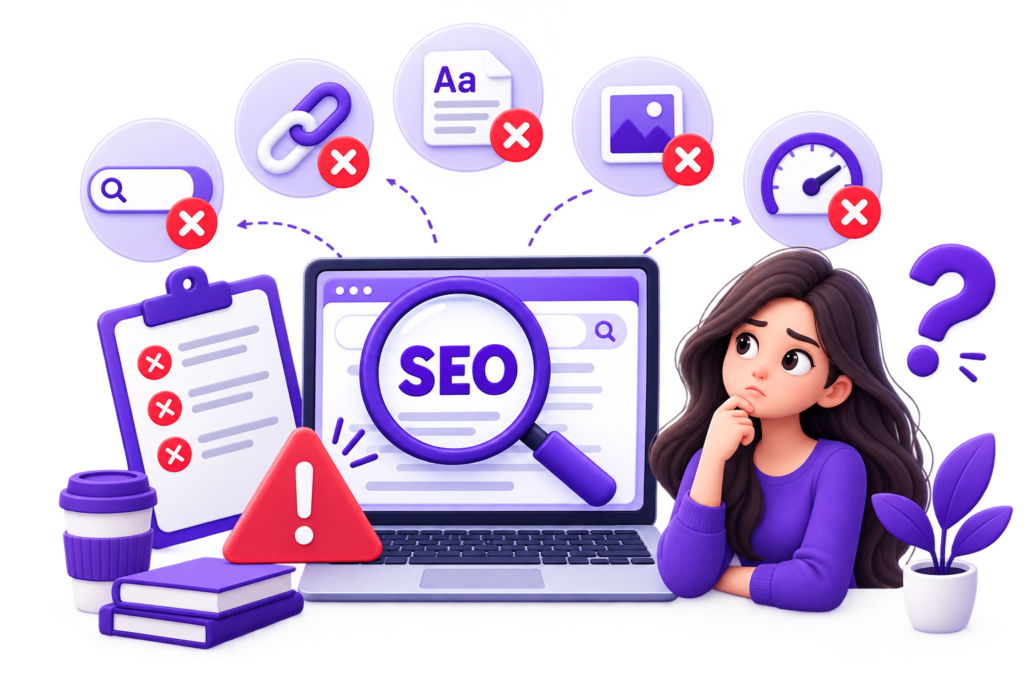
Beginners often make things harder by looking for shortcuts. Avoid:
- Copying articles from other websites
- Repeating keywords unnaturally
- Writing without understanding the audience
- Using misleading headlines
- Buying artificial backlinks
- Ignoring mobile users
- Publishing pages with little value
- Expecting immediate results
Google recommends helpful, reliable, people-first content and discourages attempts to manipulate search rankings.
How Can Beginners Start?
- Know your audience and their questions
- Learn to search intent and understand what users expect from a query.
- Practice keyword research and choose relevant topics.
- Write useful, original content that solves a real problem.
- Improve titles, headings, links, and page structure.
- Learn basic technical concepts such as mobile usability and indexing.
- Track visits, clicks, impressions, and conversions.
- Update content when information changes.
Conclusion
SEO is an ongoing process, not a shortcut to the top of Google. Its real purpose is to connect useful information with people who are looking for it.
For beginners, start with the audience, create clear answers, organize pages properly, and learn from performance data. Search technology will continue to change, but useful content and a good website experience will remain important.