


Digital Marketing Strategies : A Practical Guide for Beginners
Digital marketing strategies help businesses reach the right audience, promote their products or services, and build relationships through online channels. For beginners, understanding how SEO, social media, content, email, and online advertising work together can make digital marketing easier to manage.
In this guide, you will learn what digital marketing strategies are, why they matter, the main strategies businesses use, common mistakes, and how beginners can create a simple plan.
What Are Digital Marketing Strategies?
Digital marketing strategies are planned methods used to promote a business, product, service, or personal brand through digital channels. These channels include search engines, websites, social media, email, videos, and paid advertising.
People often search online before making a purchase. They may compare products, read reviews, visit websites, or check social media. A well-planned strategy helps businesses appear where potential customers are looking and provides useful information that can build trust.
Digital marketing is not only about advertising. It involves understanding an audience, creating useful content, selecting suitable channels, measuring results, and improving activities over time.
Why Are Digital Marketing Strategies Important?
A clear digital marketing strategy gives businesses direction and helps them use their time and budget more effectively.
Key benefits of Digital Marketing include:
- Wider reach: A business can connect with people beyond its local area.
- Better targeting: Online platforms can help reach audiences likely to be interested.
- Measurable performance: Marketers can track visits, clicks, enquiries, and sales.
- Budget flexibility: Many campaigns can begin with a manageable budget.
- Customer communication: Websites, social platforms, and email support regular interaction.
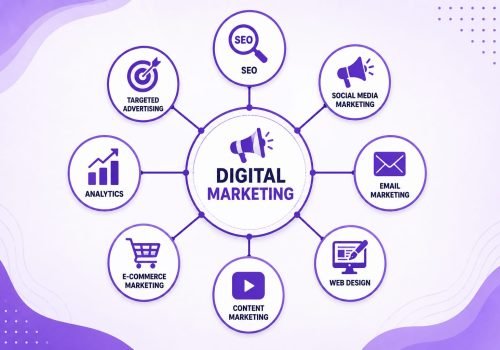
Main Areas of Digital Marketing Strategies :
1. Search Engine Optimization
Search Engine Optimization, or SEO, helps webpages become easier for search engines and users to understand. When someone searches for a question, product, or service, useful and well-organized content has a better opportunity to appear for a relevant search. Useful SEO habits include:
- Research relevant topics.
- Writing clear titles and headings.
- Creating original, helpful content.
- Making websites easy to navigate.
- Connecting related pages.
- Making pages mobile-friendly
SEO is a long-term effort. Good digital marketing content should answer the reader’s question instead of repeating keywords simply to influence rankings.
2. Social Media Marketing
Social media provides a direct and informal way for brands to communicate. Instagram, Facebook, LinkedIn, YouTube, and other platforms can be useful depending on the audience.
A social media page should not feel like one continuous advertisement. Mix promotions with material that teaches, entertains, or encourages conversation. Content ideas include:
- Quick tips
- Tutorials
- Customer stories
- Product demonstrations
- Behind-the-scenes content
- Frequently asked questions
- Short educational videos
Consistency matters more than being present everywhere. Choose platforms that fit the audience and adapt content to each one.
3. Content Marketing
Content marketing means creating information that an audience finds useful. Blogs, videos, podcasts, guides, infographics, and newsletters can answer questions while introducing people to a brand.
For example, a laptop company could publish a guide about choosing a computer for college students. Useful information can create a positive impression before the reader is ready to buy.
Strong content should solve a genuine problem, explain the subject clearly, and give readers something practical.
4. Email Marketing
Email marketing helps businesses stay connected with people who have agreed to receive their messages. Newsletters, updates, educational content, product announcements, and selected offers are common uses.
The goal should not be to fill inboxes with sales messages. An effective email is usually relevant, focused, and easy to act on. A clear subject line and one main message can make communication more effective.
5. Online Advertising
Paid advertising can put a business in front of a selected audience quickly. Search ads, social media promotions, display campaigns, and video advertisements are common examples.
Before starting a campaign, decide whether the goal is visits, enquiries, registrations, downloads, or sales. A sensible approach is to begin with a limited budget, test the message, study the results, and improve the campaign before increasing spending.
How Does Digital Marketing Strategies Work?
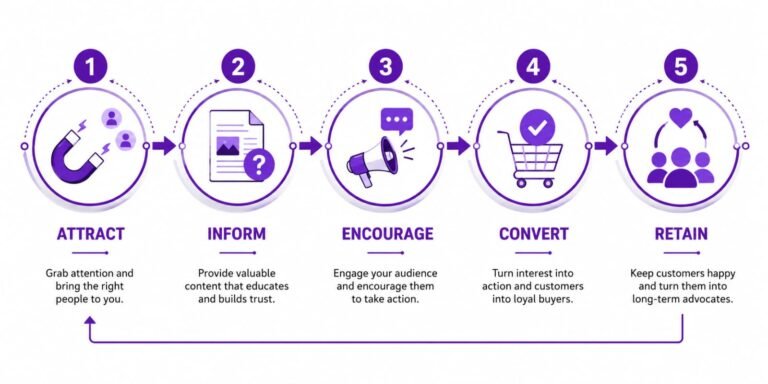
A person may discover a brand through search, social media, content, or an advertisement. Useful information helps them understand the offer. If the experience is convincing, they may enquire or purchase, while good service can encourage them to return.
This shows why every part of a digital marketing plan should have a purpose. Getting attention is useful, but turning attention into meaningful action creates real value.
Useful Tools for Digital Marketing Strategies
Website & SEO Tools
- WordPress – Best platform for building websites and blogs
- Yoast SEO (WordPress plugin) – Helps optimize content for search engines
- Google Search Console – Tracks website performance in Google search
- Google Analytics – Measures traffic, user behavior, and conversions
Content Creation Tools
Common Mistakes Beginners Should Avoid
Avoid these common mistakes:
- Using every social platform without a clear reason.
- Copying content from competitors.
- Repeating keywords unnaturally.
- Publishing without understanding the audience.
- Spending on advertisements without a measurable goal.
- Buying followers or fake engagement.
- Expecting instant SEO results.
- Measuring likes while ignoring enquiries or sales.
Effective digital marketing is not about doing more. It is about doing the right things consistently and learning from the results.
How Can a Beginner Create a Digital Marketing Strategy?
A simple plan can make digital marketing easier to understand:
- Know the audience: Learn what people need and what problems they face.
- Set a goal: Decide whether you want awareness, traffic, leads, or sales.
- Choose suitable channels: Start with one or two platforms that fit your audience.
- Create useful content: Answer questions and provide practical information.
- Learn basic SEO: Understand keywords, headings, links, and website structure.
- Measure results: Track meaningful actions rather than only views.
- Improve regularly: Keep testing and adjust your approach based on results.
Conclusion
Digital marketing strategies help businesses attract, engage, convert, and retain customers through online channels. SEO, social media, content marketing, email marketing, and online advertising can work together when they support a clear goal.
For beginners, the best approach is to understand the audience, choose suitable channels, create useful content, measure performance, and improve continuously.
Successful digital marketing combines creativity, consistency, and measurable results. With practice and the right strategy, beginners can gradually build the skills needed to grow an effective online presence.
.