


Email Marketing: A Beginner’s Guide to Connecting With Your Audience
Introduction
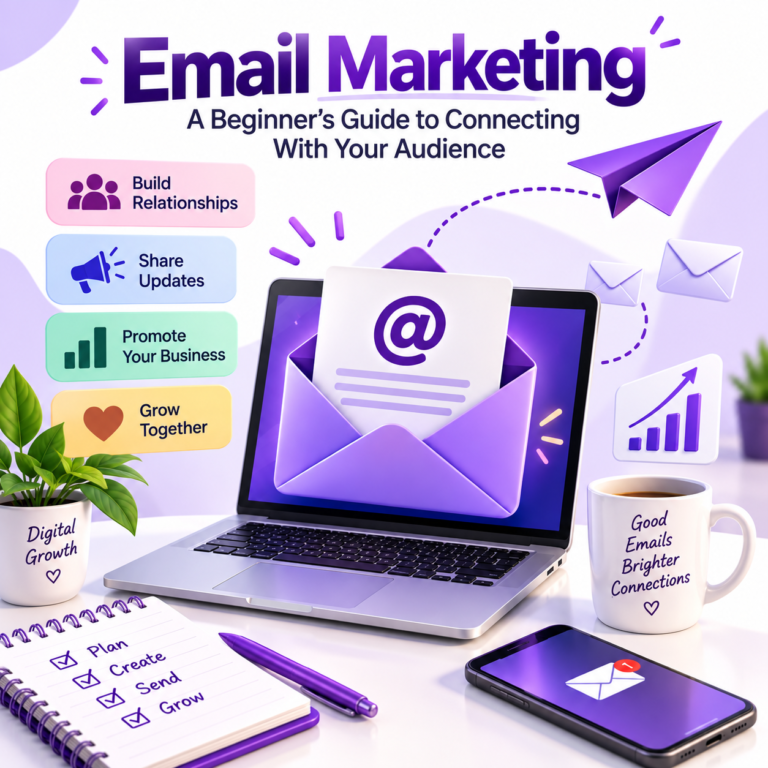
In today’s digital world, businesses use many platforms to communicate with their customers. However, email remains one of the most direct and useful ways to build relationships with an audience. Email marketing allows businesses to share useful information, promote products or services, and stay connected with customers through their inboxes.
For beginners, starting an email campaign may seem complicated. In reality, it can be simple when you understand the basic steps. From creating an email list to writing valuable content, every part of the process can help a business grow. This guide explains the basics of email marketing and how beginners can use it effectively.
What Is Email Marketing?
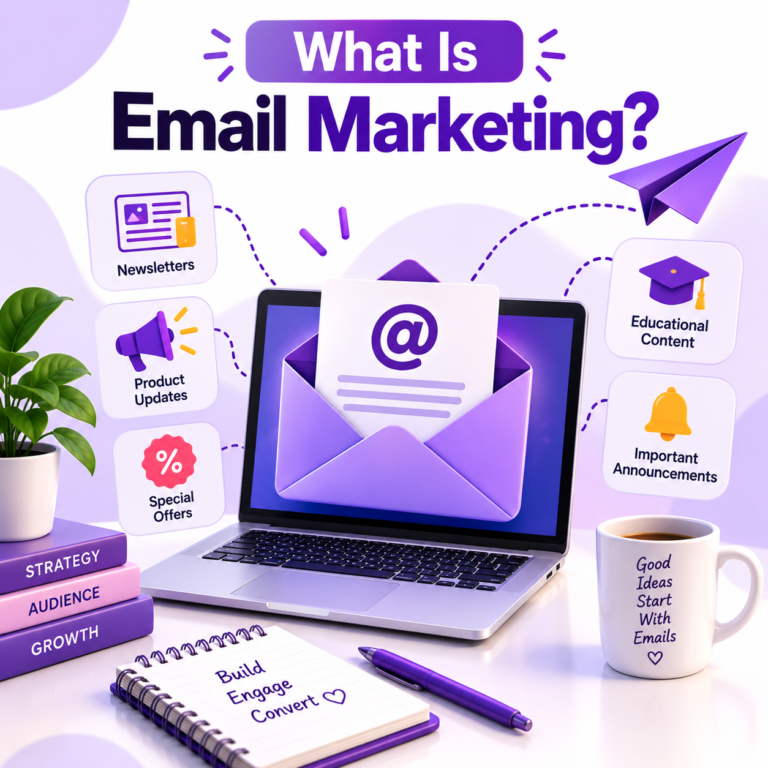
Email marketing is a digital marketing method where businesses send emails to people who have chosen to receive their communications. These emails may include newsletters, product updates, special offers, educational content, or important announcements.
Unlike some forms of advertising, email allows businesses to communicate directly with people who have already shown interest in their brand. This makes it a useful tool for building trust and maintaining long-term customer relationships.
Why Is Email Marketing Important?
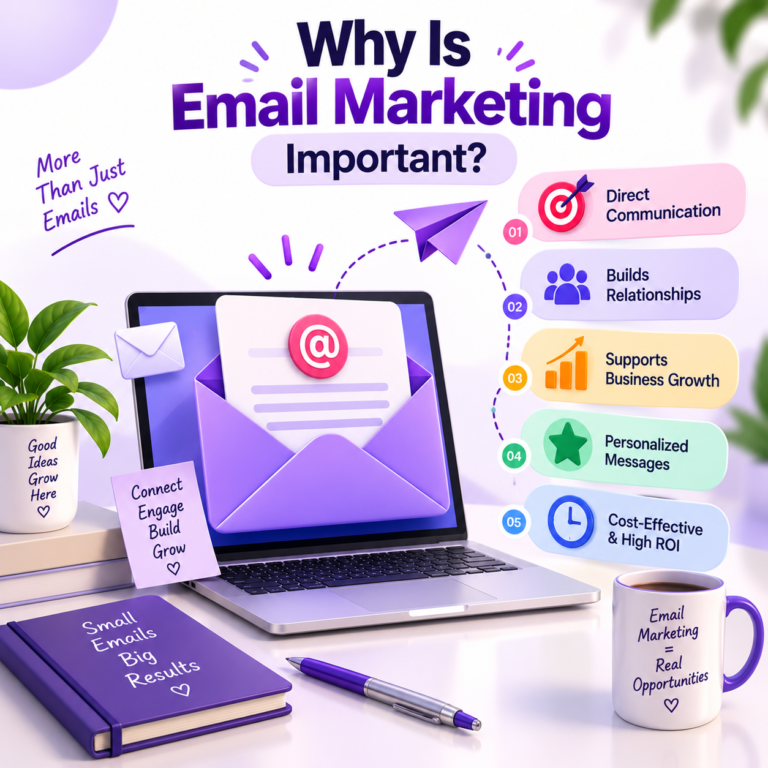
One major benefit of email marketing is direct communication. Social media posts can easily disappear from a user’s feed, while an email reaches the subscriber’s inbox. Businesses can also personalize emails based on customer interests, previous interactions, or preferences.
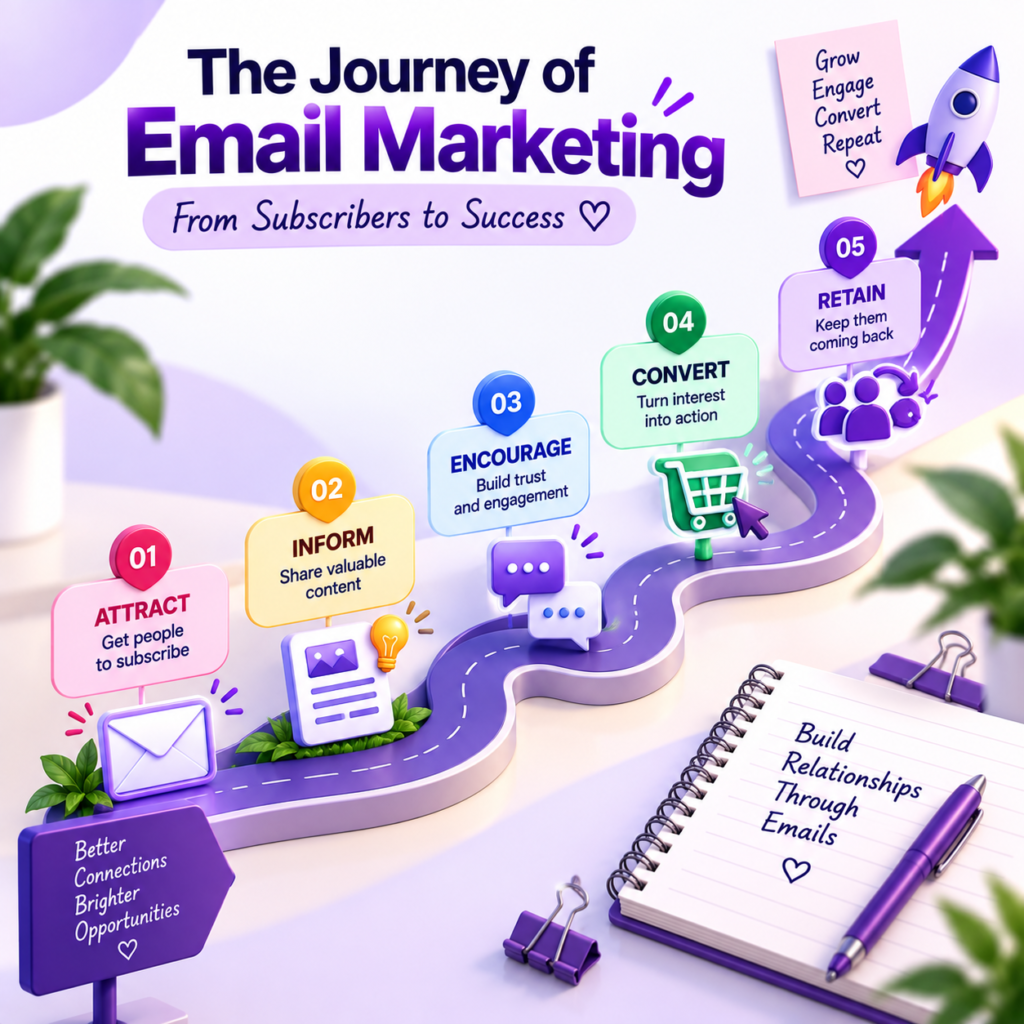
Another advantage is that email can support different stages of the customer journey. It can introduce a new visitor to a brand, educate potential customers, encourage purchases, and bring existing customers back. When planned properly, email marketing can become an important part of a business’s overall digital strategy.
How to Build an Email List
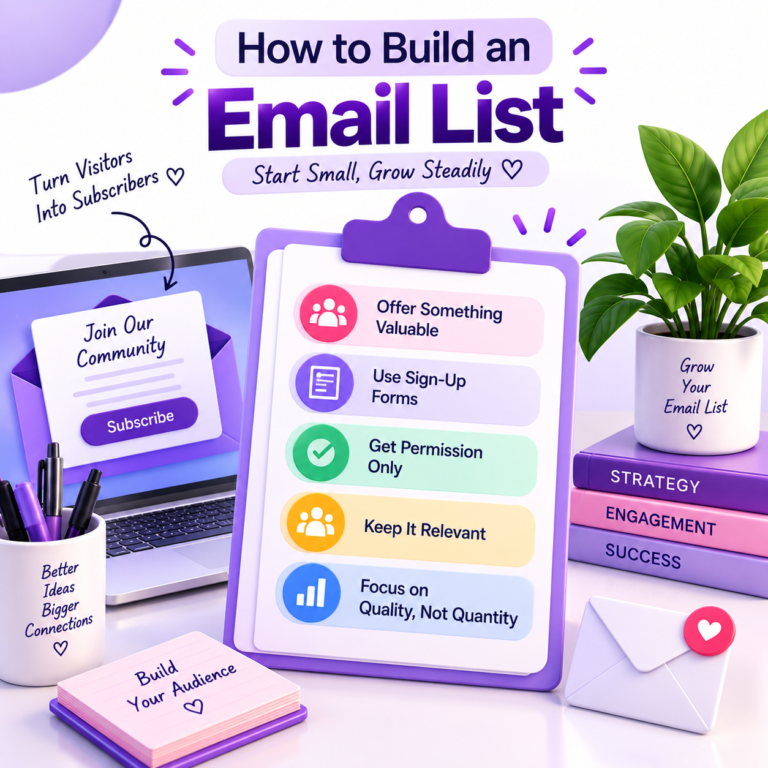
A successful campaign begins with a quality email list. Businesses should collect email addresses ethically and only send messages to people who have given permission.
A simple way to build a list is by offering something useful in exchange for an email address. This could be a free guide, checklist, discount, newsletter, or helpful resource. Website forms can also be placed on relevant pages to make subscribing easy.
Avoid buying random email lists. A smaller list of interested subscribers is usually more valuable than a large list of people who never engage with your emails.
Create Valuable Email Content
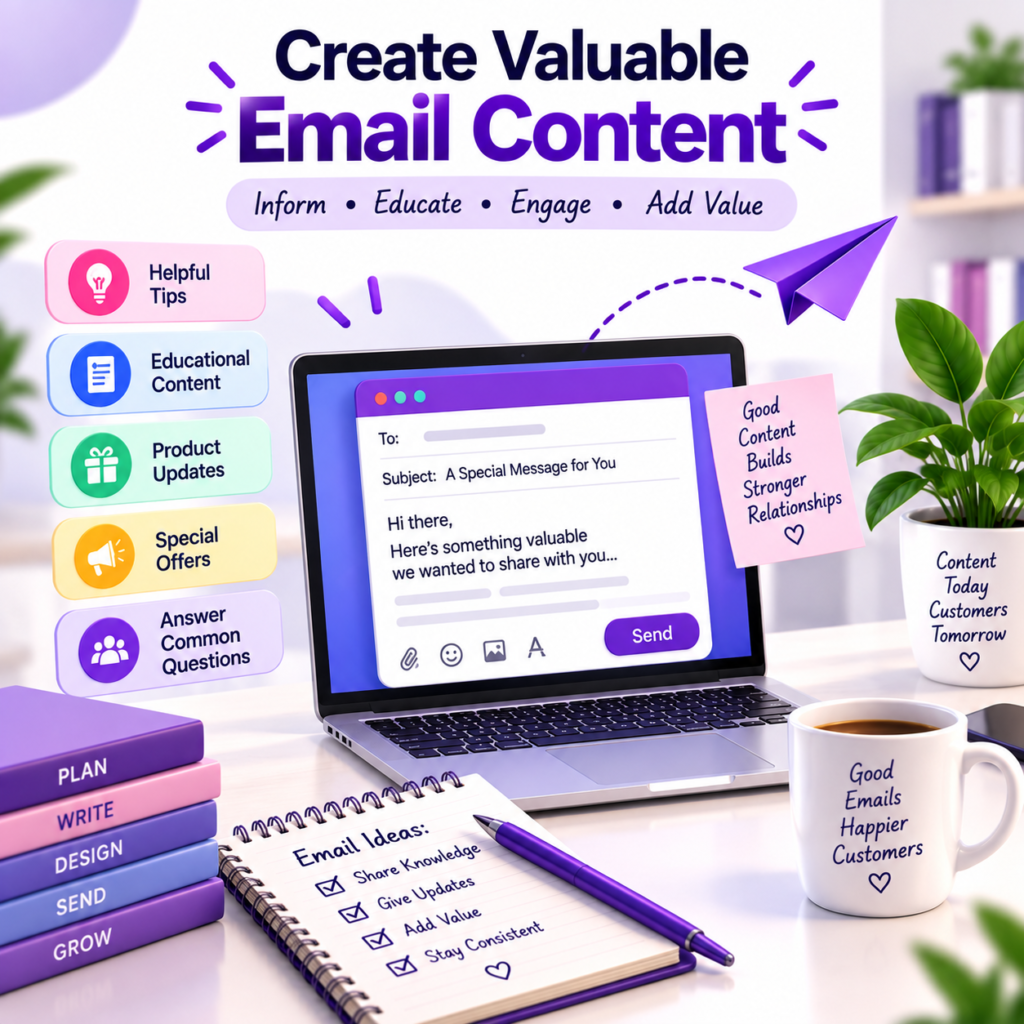
Good email marketing is not only about selling. Subscribers are more likely to stay interested when they receive content that is useful, relevant, and easy to understand.
Before sending an email, ask yourself whether it provides value to the reader. You could share helpful tips, educational information, company updates, product recommendations, or answers to common questions.
Keep your writing simple and avoid unnecessary information. A clear subject line, short paragraphs, and one main message can make an email easier to read.
Personalization Matters

Personalization can make email marketing feel more relevant to individual subscribers. Instead of sending exactly the same message to everyone, businesses can use information such as names, interests, or previous purchases when appropriate.
For example, an online store could recommend products based on a customer’s previous activity. A blogger could send different content to subscribers based on their interests. Small changes can make communication feel more personal and meaningful.
However, personalization should always respect privacy and customer preferences.
Common Email Marketing Mistakes to Avoid
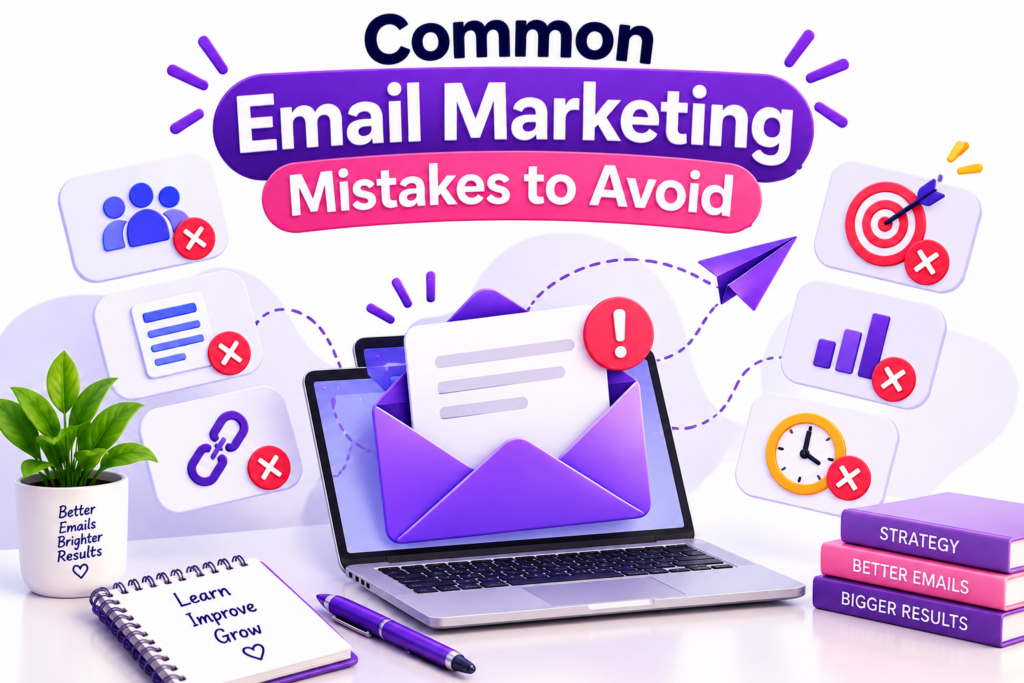
Beginners often make a few simple mistakes when starting email marketing. Sending too many emails can annoy subscribers and increase unsubscribes. On the other hand, sending emails too rarely can cause people to forget the brand.
Other mistakes include using misleading subject lines, writing overly promotional content, ignoring mobile users, and failing to check links before sending an email.
It is also important to provide an easy way for subscribers to unsubscribe. Respecting the audience’s choices helps create a more trustworthy relationship.
Measure Your Results
Successful email marketing requires regular improvement. Businesses should monitor important metrics to understand how subscribers respond to their emails.
Common metrics include open rate, click-through rate, conversion rate, bounce rate, and unsubscribe rate. These numbers can help identify what is working and what needs improvement.
For example, if many people open an email but few click the link, the content or call to action may need improvement. Testing different subject lines, formats, and messages can help businesses learn what their audience prefers.
How to Create a Email Marketing Strategy
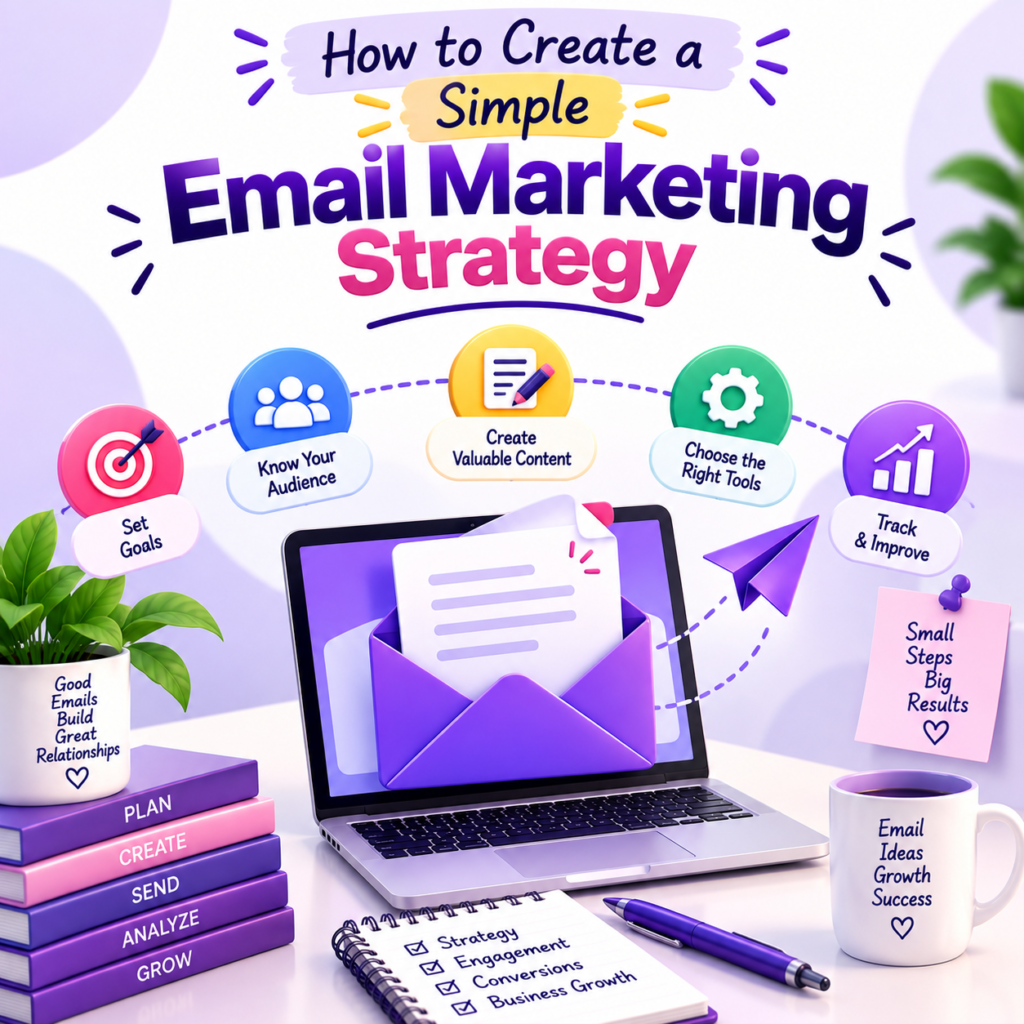
Creating a basic strategy does not have to be difficult. Start by defining your goal. Decide whether you want to increase website traffic, promote a product, generate leads, or build customer relationships.
Next, understand your audience and create content that matches their needs. Choose a realistic sending schedule and remain consistent. Finally, review your results and make improvements based on subscriber behavior.
The most effective email marketing strategies focus on providing value rather than sending promotional messages constantly.
Conclusion
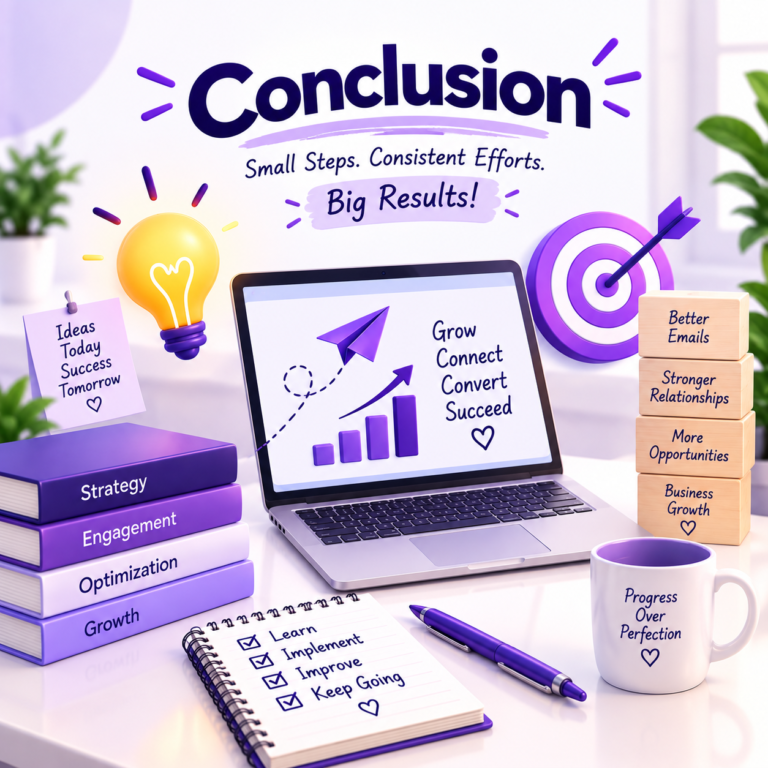
Email marketing is a simple but powerful way for businesses to connect with their audience. It provides direct communication, supports customer relationships, and can help achieve different marketing goals.
For beginners, the best approach is to start small. Build a permission-based email list, create useful content, personalize messages when appropriate, and track your results. With consistency and continuous improvement, email marketing can become a valuable part of a successful digital marketing strategy.

Visit My Profile !
for moreinformation , content and queries.Feel free to visit my profile and contact us.